A total at the bottom is not an estimate
Plenty of painting quotes arrive as a single line: paint the first floor, a number and a place to sign. That tells you what you will pay. It does not tell you what you are getting. When the job wraps up and the hallway trim was never touched, a one-line quote leaves you and the painter arguing about what was meant.
A written estimate that lists the work protects both sides. You know what is included, the crew knows what to do, and if something gets missed at the end there is a list to check it against. It also gives you something real to compare when you have more than one quote.
The estimate is also where expectations get set on timing, access and daily routine. If you need a bathroom usable every night, or the crew can only work while you are home, say so at the estimate and ask for it to be noted. A detail that lives only in someone's memory tends to get lost by the second week of a job.
What a good written estimate lists
Every painting estimate should put these items in writing. If one is missing, ask for it to be added before you agree to the work.
- It names every room or surface, including ceilings, closets, trim, doors and stair parts.
- It describes the prep for each area, such as patching, sanding, caulking and spot priming.
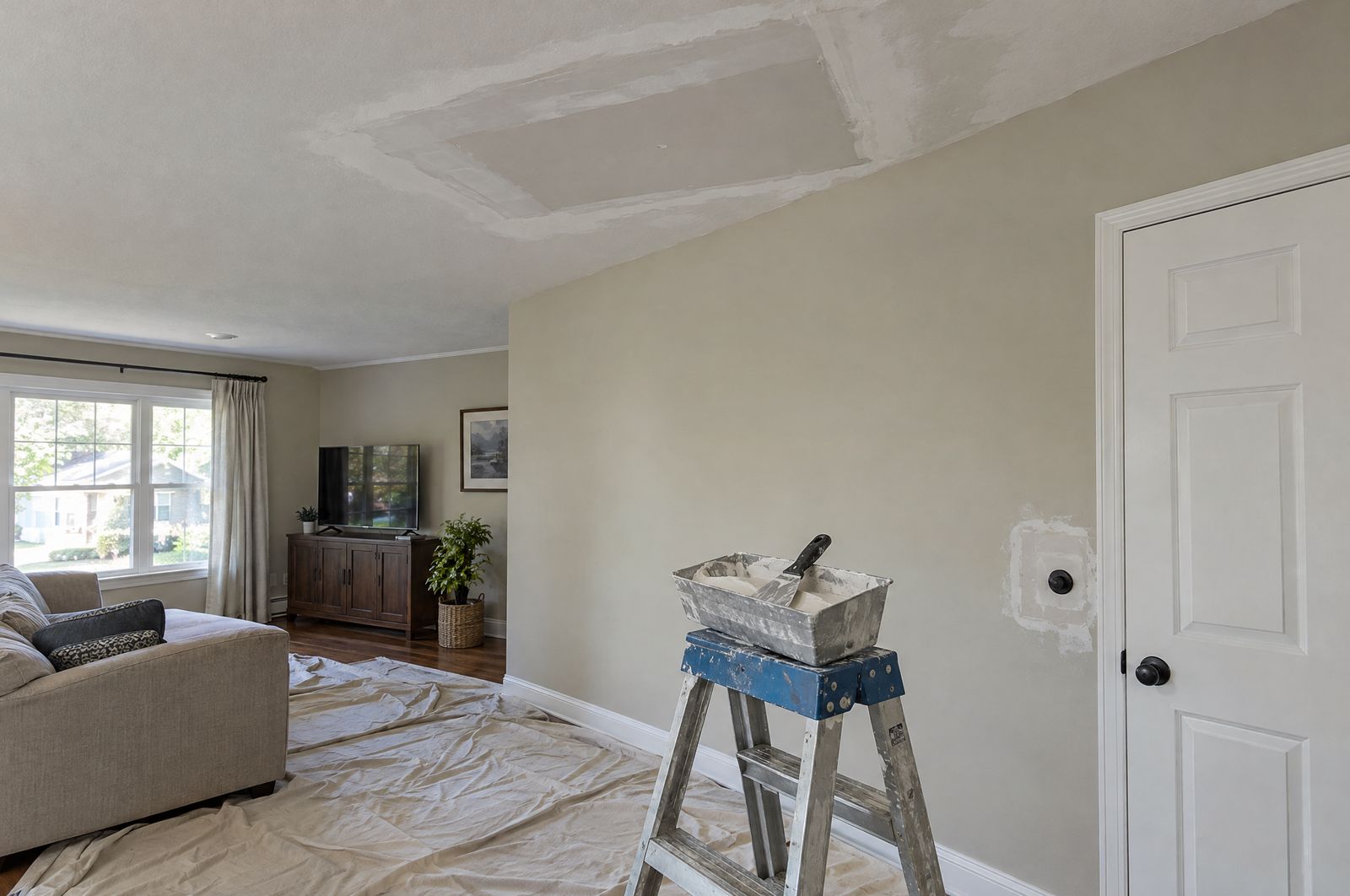
- It lists the repairs the painter found, like nail pops, cracks, lifted tape or a stained ceiling.
- It states the products and the sheen for the walls, the ceilings and the trim.
- It gives the number of coats on each surface and says whether a primer coat is included.
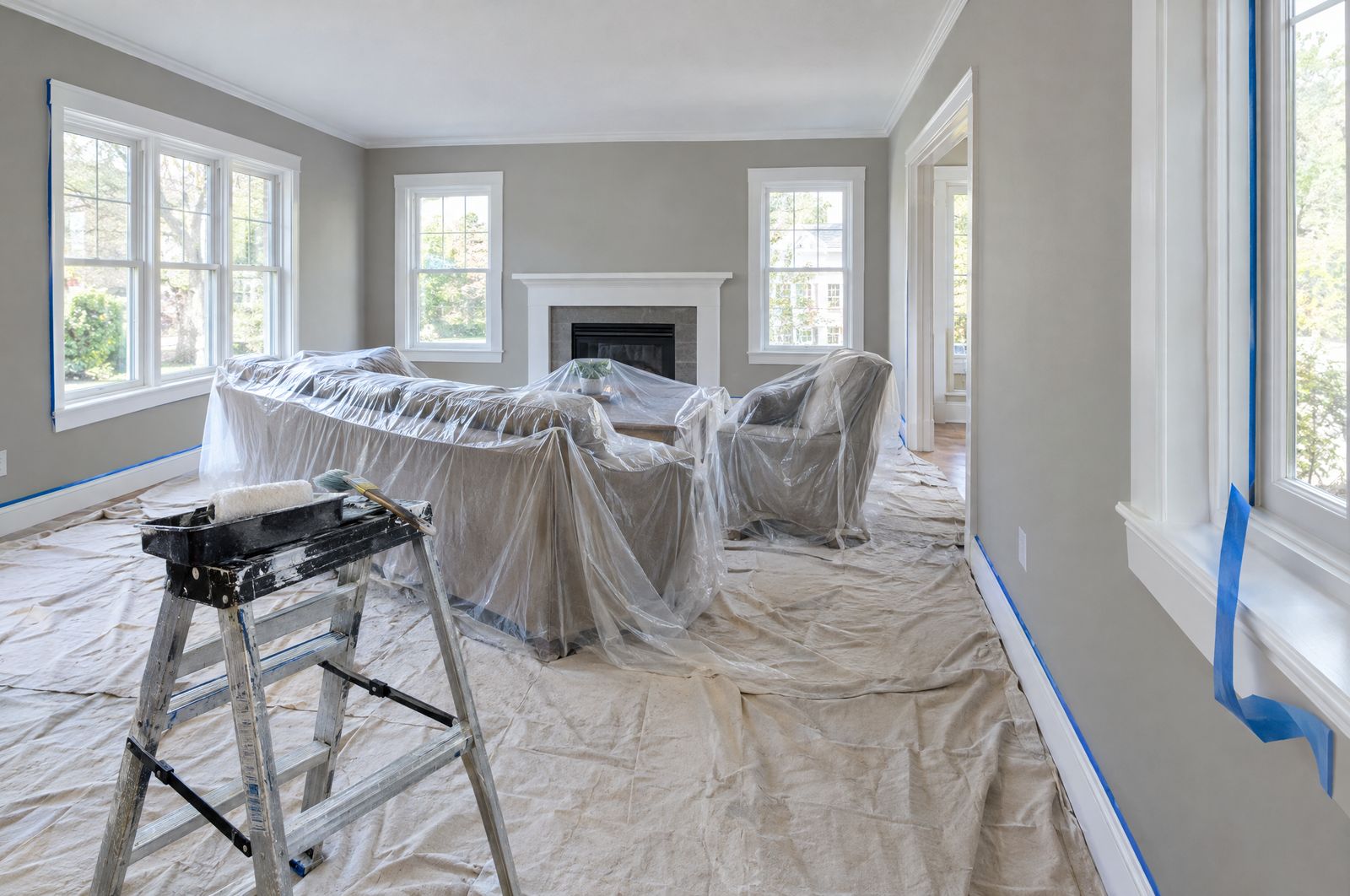
- It explains how furniture and floors are protected and how cleanup is handled.
- It says how changes are priced and approved once work begins.
Why your estimator should point out problems you never noticed
Most homeowners walk past the same nail pop every day without seeing it. Under a fresh coat of paint, with light coming across the wall, it becomes the first thing they notice. The same goes for a hairline crack where the wall meets the ceiling, a corner bead that has started to split, or an old patch that someone painted over without sanding.
A good estimator looks for those things on purpose and shows them to you before the work starts. That way they are on the estimate, they are priced, and they get fixed before paint instead of showing up afterward. If an estimator walks the house without looking closely at the walls, ask what they saw. If the answer is nothing, walk the rooms again yourself with a flashlight held flat against the wall.
Old repairs deserve a hard look too. A patch that was never feathered out, a seam with compound piled on too thick, or a spot filled with the wrong material will show through new paint. Fixing it properly may add to the estimate. Painting over it means paying to paint that wall again later.
How changes like an extra coat should be handled
Even a careful estimate cannot see everything. A new color sometimes does not cover in the coats planned, especially going from dark to light or from a strong color to a pale one. Old wallpaper can come down and leave a damaged wall behind it. A homeowner decides halfway through to add the hallway.
None of that is unusual. What matters is how it gets handled. The change should be explained, priced in writing and approved by you before the crew does the work. You should never learn about an extra coat for the first time from the final bill, and a crew should never stop mid-room and leave you to sort it out.
That is how we run every job. Anything that changes, whether it is an extra coat, a repair found behind a wall or an added room, is priced in writing and approved by you before it is done.
Questions to ask any painter at the estimate
Bring these questions to every estimate and write down the answers. A painter who answers them clearly is telling you how the job will run. A painter who cannot answer them may not have planned the job in that much detail.
- Will the estimate be in writing, and will it list every room, the prep, the products and the coats?
- Which repairs did you see, and how will you fix them before painting?
- How many coats are planned, and what happens if the color does not cover?
- How is a change priced, and do I approve it before you do the work?
- Can I see a color sample on my own wall before you paint the whole room?
- Who is accountable for the job from start to finish, and how do I reach that person?
- Can you send a certificate of liability insurance before work starts?
How we handle the estimate and the end of the job
Our estimates are free and done on site. Each one is written and lists every room or surface, the prep, the products and the number of coats. Drywall repair, taping and finishing are handled by the same crew before paint, so the repairs on the estimate and the paint that goes over them are one job, not two.
One crew does the work and one person is accountable for it. We carry liability insurance and the certificate is available before we start. Color samples go on your wall before a full room is committed.
When the work is done, we do a final walkthrough with you before we call it finished. That walkthrough is the time to point at anything you are not happy with, from a missed spot on a door edge to a line that wandered at the ceiling. Saying it while the crew is still there gets it handled that day, which beats noticing it a month later and wondering whether to call.