What the first morning should look like
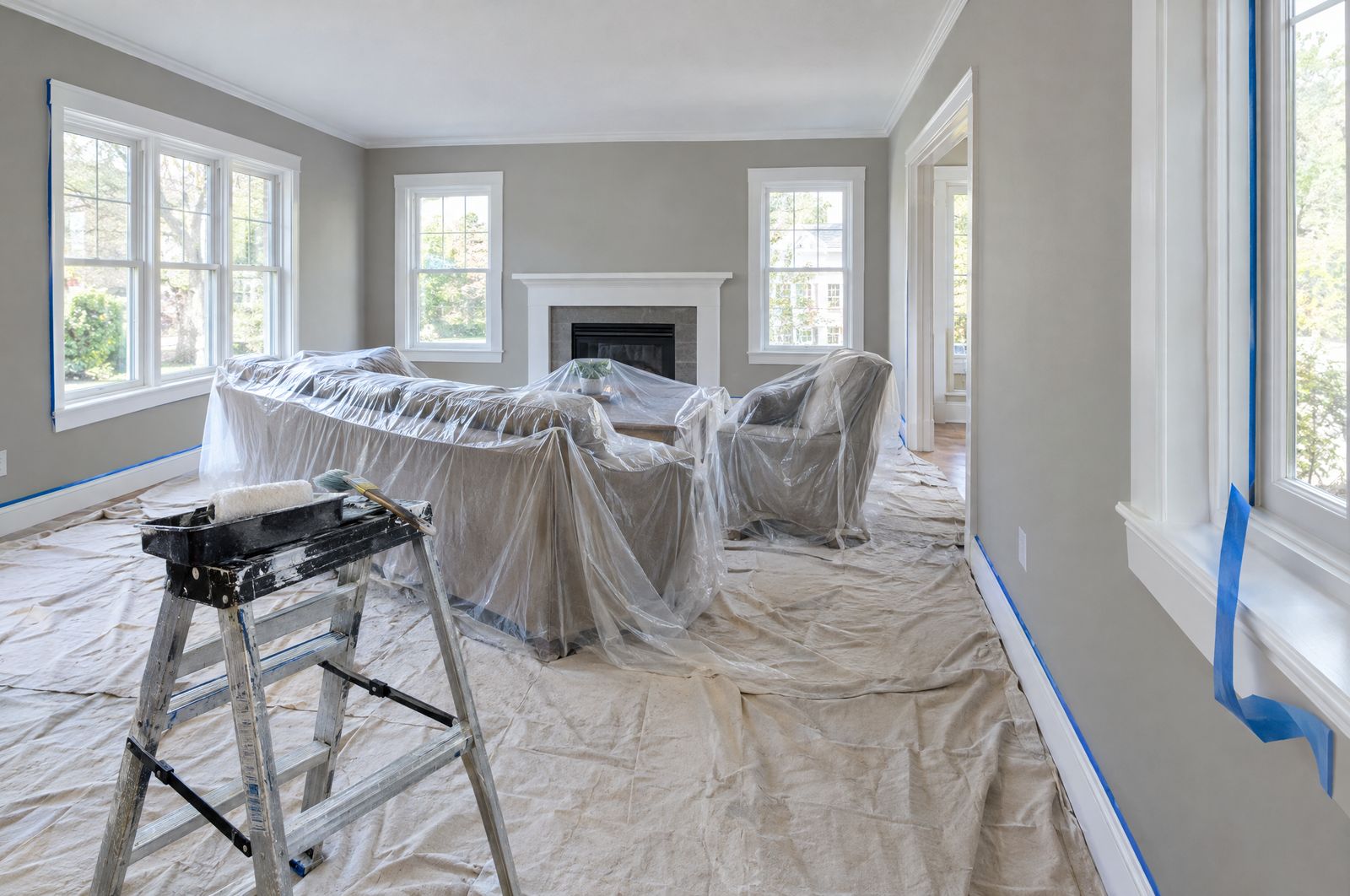
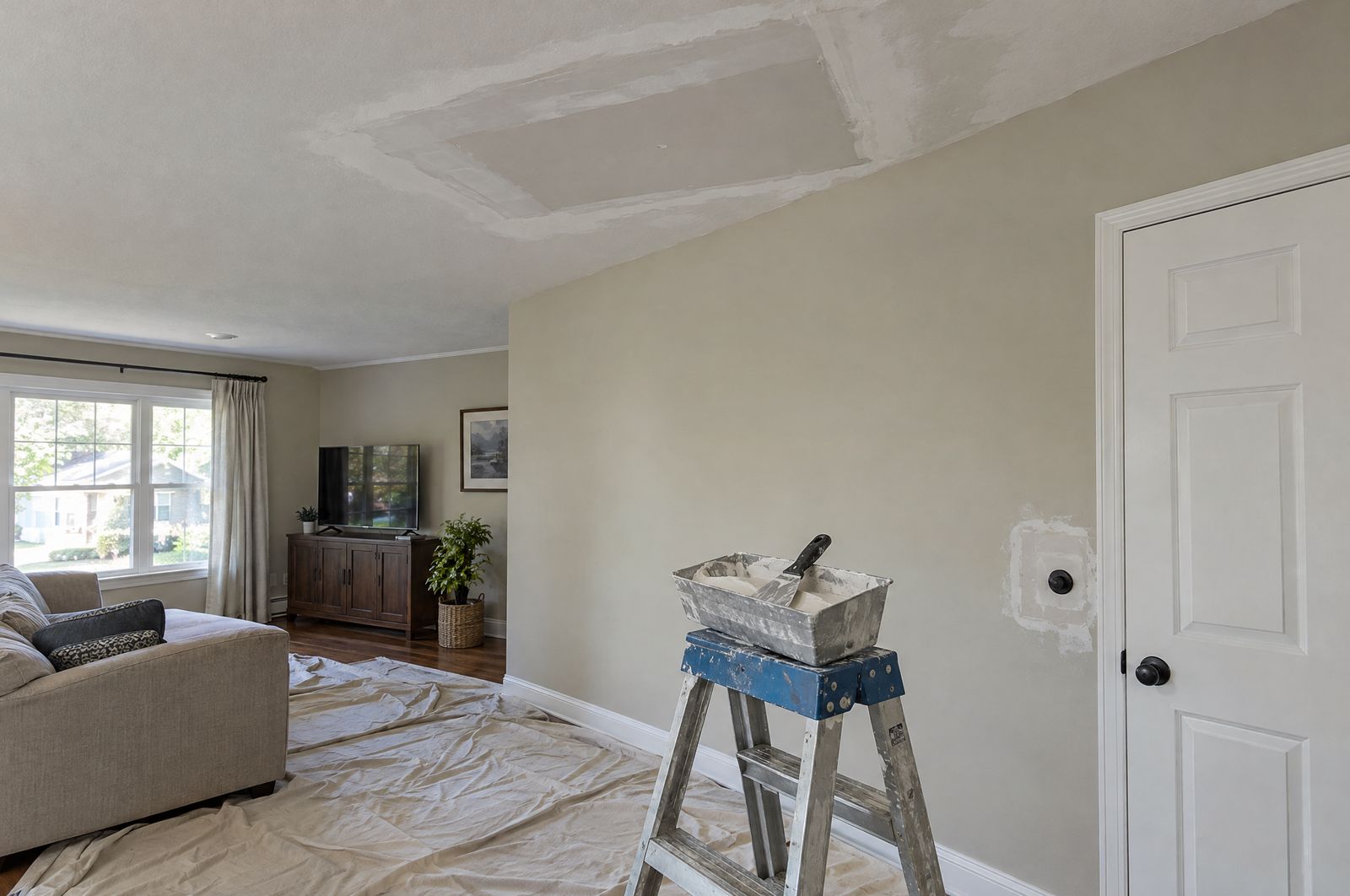
Before any paint is opened, the room should be set up. Furniture gets moved to the middle of the room or out of it, and whatever stays gets covered. Floors get covered from the walls out, including the path the crew walks between the room and the door. Outlet covers and switch plates come off. Anything too heavy or too built-in to move gets wrapped where it stands.
That setup takes time, and it is part of the job. If an estimate does not mention moving furniture or covering floors, ask about it before you agree to anything. On our jobs, floors and furniture are covered, and furniture is moved and put back when the room is done.
Pay attention to the spaces between rooms. Stairs, hallways and the entry take the most foot traffic during a painting job, and they are where a ladder corner or a dropped roller does damage. Ask how those areas get covered, and whether door frames and stair rails along the crew's path get any protection while ladders and buckets move through.
The things you should put away yourself
A crew can move a couch and cover a dining table. You are the right person to handle anything fragile, valuable or personal. Before the first day, take care of these yourself, even if the painter offers to work around them.
- Take down framed photos, art, mirrors and anything else hanging on the walls being painted.
- Pack away breakables on shelves, mantels and dressers, including lamps and decor.
- Move anything sentimental or irreplaceable out of the rooms in the job.
- Clear the tops of dressers, desks and nightstands so the pieces can be moved and covered.
- Move flower pots, planters and outdoor decor away from the doors, walls and windows the crew will work near.
- Put away medications, jewelry and anything you would not leave out for a guest.
- Clear a path from the door to each room so ladders do not have to squeeze past your things.
Daily cleanup and the end of each day
Painting a house often runs more than one day, and you still have to live in it in the evenings. Ask how each day ends. A careful crew closes the paint cans, picks up drop cloths from walkways, puts back anything moved out of a bathroom or hallway you need, and leaves the rooms as usable as the work allows.
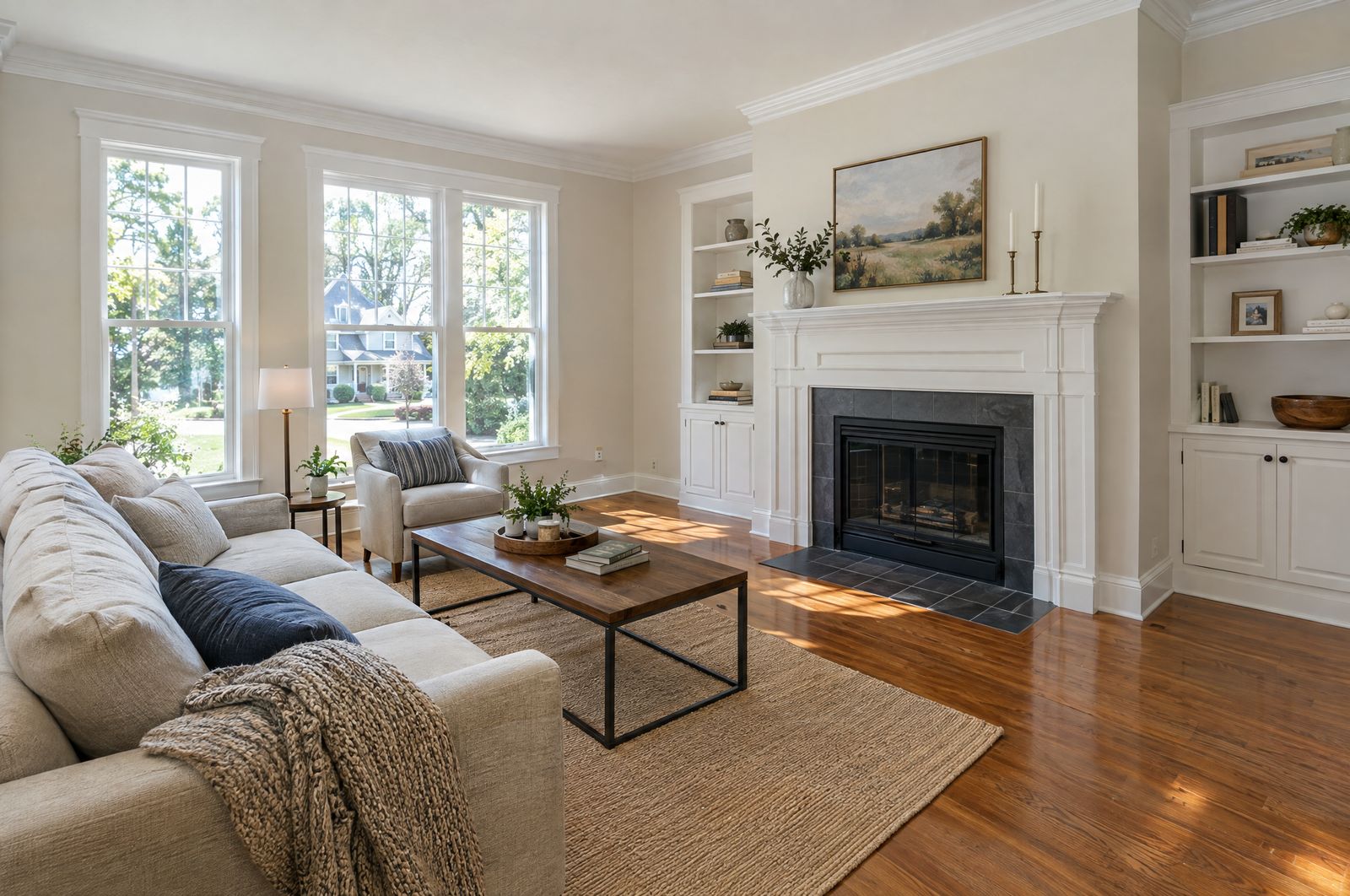
At the end of the job, everything should go back where it was, the floor coverings come up, and the rooms get cleaned. That is how we finish. The furniture goes back in place and the room is left cleaner than we found it.
Before the crew leaves for good, walk the rooms together. We do a final walkthrough with every customer before we call a job done. It is the right time to point out a missed spot or a scuff on a door frame, while the crew is still there to take care of it.
Working around kids, pets and people working from home
Most homes are not empty while they get painted. Kids still need to nap, the dog still needs to go out, and someone may be on calls in the next room all day.
Talk about it at the estimate, not on the first morning. Tell the painter which rooms you need each day, when the house needs to be quiet, and where pets will stay. A good plan paints the home office on a day you can work somewhere else, keeps a door closed between the dog and the open paint, and keeps ladders out of the path kids use.
Ask about fumes and drying time too. Find out what products are going on, how long the rooms should stay ventilated, and when a child's bedroom can go back into use. Fresh paint can feel dry to the touch well before it is ready to have a dresser pushed back against it.
Pets need a plan of their own. A curious cat will find a wet door frame, and a dog that slips past an open door can track paint from a drop cloth across the house. Decide ahead of time which closed room or yard the pets will use, and tell the crew so nobody opens that door.
Ask where brushes and rollers get cleaned
This question sounds minor, and it is one homeowners often wish they had asked. Brushes, rollers and paint trays have to be washed somewhere. If that happens in your utility sink, your laundry tub or your yard, you should know ahead of time and agree to it.
Paint rinsed down a household drain can build up in the trap and the pipes over time, and rinse water dumped outside can end up in the grass or a storm drain. Ask every painter where they plan to clean their tools, where the rinse water goes, and how leftover paint is handled at the end of the job. Get the answer before the first day so it is settled before anyone needs a sink.
Exterior days bring their own list
Painting the outside of the house puts the crew around your landscaping, windows and driveway. Ask how bushes and plants along the house will be protected, how windows and doors get masked, and where ladders will stand on soft ground or a deck. Move patio furniture, grills, hoses and potted plants away from the walls before the crew arrives.
Weather sets the exterior schedule. We only paint outside on dry days warm enough for the paint to cure, and we tell you when weather moves a day. Ask any painter how they handle rain, heat and humidity, because paint put on in the wrong conditions can peel or blister early.